Deepfake Explained: What It Is, How It Works, and How to Detect Deepfake Videos
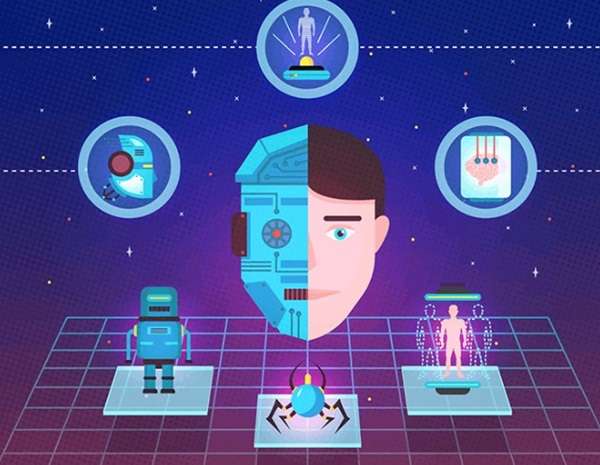
In today’s digital age, the term “deepfake” has become a household word — often associated with misinformation, fraud, and AI-powered manipulation. But what exactly are deepfakes? How are they created? And most importantly, how can you tell if a video is real or fake?
This comprehensive guide breaks down everything you need to know about deepfakes, from the technology behind them to practical detection methods you can use — whether you’re a concerned viewer, content creator, or digital professional.
What Is a Deepfake?
At its core, a deepfake is a piece of media — usually a video, image, or audio clip — that has been synthetically generated or manipulated using artificial intelligence (AI) to make someone appear to say or do something they never actually did.
Unlike simple photo edits or traditional video manipulation, deepfakes use advanced machine learning techniques to replicate facial expressions, voice tones, and movements with striking realism.
How Deepfakes Are Made
Deepfakes are typically created using deep learning models, especially Generative Adversarial Networks (GANs). In a GAN system:
- One neural network generates fake content.
- Another neural network tries to distinguish real from fake.
- Over time, both networks improve, producing extremely realistic results.
This “adversarial” training enables deepfake models to create synthetic media that can fool human observers — and sometimes even automated detection tools.
Types of Deepfakes
Deepfakes aren’t limited to one form. The most common types include:
1. Face Swaps
Replacing the face of a person in a video with another person’s face.
2. Voice Cloning
Synthesizing someone’s voice to make it appear they said something they never did.
3. Full-Body Deepfakes
Entire body movements and gestures are recreated — not just the face.
4. Lip Sync Deepfakes
Audio is matched to a video to make it appear someone is speaking words they never spoke.
Each type presents unique challenges for detection and carries distinct ethical and security implications.
Why Deepfakes Are a Growing Concern
Deepfakes have evolved from novelty tech to real threats in areas such as:
• Misinformation and Fake News
Deepfakes can be used to create fabricated speeches or events that never happened, influencing public opinion or spreading false narratives.
• Fraud and Scams
AI-generated voices or videos can impersonate CEOs, politicians, or public figures to deceive audiences or manipulate financial decisions.
• Privacy Violations
Non-consensual deepfakes — especially in intimate contexts — can harm personal reputations and emotional wellbeing.
• Security Threats
Fake videos of public figures or crisis situations can cause panic, economic disruption, or political instability.
Recent news highlights that deepfake scams are increasingly used in financial fraud, with institutions like the Bank of Italy issuing warnings about fabricated media used to promote bogus investment products.
Can Humans Detect Deepfakes?
While deepfakes are often convincing, humans still struggle to identify them reliably — especially as the technology improves. Research shows that even experienced viewers can be fooled by sophisticated deepfakes, and automated tools sometimes outperform humans in detection tasks.
This makes awareness and verification tools more important than ever.
How to Detect Deepfake Videos: Practical Tips
Detecting deepfakes is both an art and a science. Below are proven strategies that range from simple visual checks to advanced AI tools.
1. Look for Visual Inconsistencies
Deepfake videos often exhibit subtle visual anomalies, such as:
- Unnatural facial movements — odd blinking, stiff expressions, or irregular head turns.
- Lighting and shadows that don’t match the environment.
- Blurred edges or mismatched color tones around the face or neck.
- Missing facial features like freckles or scars.
These signs are often too subtle for the casual viewer but become apparent upon close inspection.
2. Analyze the Audio
Deepfake audio may sound:
- Monotonous or robotic
- Unnaturally paced
- Poorly synchronized with lip movements
These mismatches are common in AI-generated speech.
3. Check Metadata and Source
Sometimes, the easiest way to verify a video is by checking:
- File metadata (camera type, timestamp, editing history)
- Original source of the video
- Whether the same video appears on trusted news outlets or official channels
Tools like reverse image or video search can help trace the original content.
4. Use AI-Powered Detection Tools
Several online platforms and software can automatically analyze videos for deepfake characteristics. These tools scan for inconsistencies in:
- Facial landmarks
- Pixel-level anomalies
- Audio-visual synchronization
Examples include free and paid deepfake detection services that let you upload a video and receive a detailed authenticity report.
5. Watch for Implausible Content
If the content seems:
- Too sensational
- Out of context
- Not reported by reputable sources
It might be a deepfake. Always cross-verify with reliable outlets.
Technical Approaches to Deepfake Detection
For researchers and cybersecurity professionals, advanced methods include:
• Visual-Based Detection
Analyzing frames for irregular pixel patterns and inconsistencies in facial geometry.
• Audio-Based Detection
Examining voice patterns and spectral signatures that don’t match natural human speech.
• Multi-Modal Detection
Combining both audio and visual signals for higher accuracy.
However, detection remains challenging because deepfake creation techniques are constantly evolving, often outpacing current detection methods.
Limitations of Current Detection Methods
Even the best detection tools face challenges:
- Rapid evolution of deepfake generation algorithms makes detection harder.
- Video compression and low resolution can mask manipulation signs.
- Adversarial attacks may intentionally evade detection systems.
- Lack of standardized benchmarks makes performance evaluation difficult.
This means that no method is perfect — but combined approaches significantly improve reliability.
How to Respond If You Encounter a Deepfake
If you suspect a deepfake:
- Do not share it immediately
- Verify with multiple reputable sources
- Report the content to the platform or authority
- Use detection tools for confirmation
Practicing digital skepticism — especially with viral or emotional content — protects you and others from misinformation and fraud.
The Future of Deepfakes and Detection
As AI continues to advance, deepfakes will become more realistic — but detection technologies are also improving.
- AI detectors are becoming faster and more accurate
- Blockchain and cryptographic signatures may help verify authentic content
- Legal frameworks are being discussed to protect individuals’ likeness rights
For example, platforms like YouTube are investing in automated detection systems to safeguard digital identities and curb unauthorized deepfake distribution.
However, the responsibility also lies with users to stay informed and cautious.
Conclusion: Stay Aware, Stay Verified
Deepfakes represent one of the most powerful and potentially disruptive uses of AI. They can entertain, educate, and innovate — but they can also deceive, defraud, and harm.
To navigate this landscape safely:
- Understand how deepfakes are made
- Recognize the signs of manipulation
- Use both human judgment and AI tools
- Always verify before believing or sharing
By staying vigilant and informed, you can protect yourself and your community from the risks of synthetic media — while still enjoying the benefits of technological progress.

Related Posts
AI Could “Change Things in a Terrifying Way”: A Deep Analysis of the Risks, Power, and Future of Artificial Intelligence

Why Can the Moon Be Considered a Planet? A Scientific Reassessment of Planetary Definition