The Most Mysterious Events That Defy Explanation
Throughout the vast timeline of human civilization, we have encountered enigmatic phenomena that resist logic, science, and even belief itself. These mysterious historical events have captivated generations, fueling curiosity and igniting debates across cultures. As we explore these extraordinary occurrences, we uncover stories that blur the line between reality and the supernatural, offering a compelling glimpse into the unknown.
The Cursed Knife: A Relic of Darkness and Tragedy

Among the most chilling artifacts in recorded history is the infamous cursed knife, forged under deeply disturbing circumstances. According to historical accounts, an Italian blacksmith—driven by madness—crafted the blade using bones from his own family members. What followed was a sequence of horrifying events.
Each individual who came into possession of the knife reportedly experienced sudden misfortune, psychological instability, and untimely death. Entire households were said to collapse into chaos shortly after acquiring the object. Despite attempts to destroy or bury it, the knife seemed to persist, as if bound to a malevolent force. This story continues to be cited as one of the most terrifying examples of a haunted object in history.
The Prophecy of Death: When Fate Becomes Reality
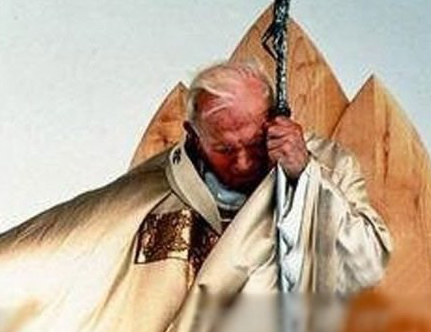
In a world governed by unpredictability, the idea of foreseeing one’s death remains deeply unsettling. A remarkable case involves a Catholic cardinal who allegedly predicted the exact period of his passing. Rather than a vague premonition, his forecast was precise—and ultimately fulfilled.
This event raises profound questions about premonition, destiny, and the limits of human perception. Was it a coincidence shaped by probability, or evidence of a deeper, hidden awareness? Such cases challenge conventional understanding and reinforce the enduring fascination with psychic phenomena and prophetic visions.
The Magical Number: Patterns Beyond Logic
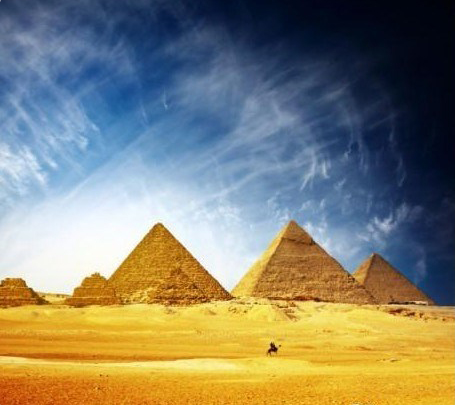
Numbers have always held a special place in human thought, but certain figures appear to transcend mathematics and enter the realm of mystery. The concept of a “magical number” refers to a recurring numerical pattern that surfaces across different domains—nature, architecture, and even human behavior.
These numbers often seem to align in ways that defy randomness, suggesting the presence of an underlying structure or universal code. From ancient civilizations to modern scientific theories, the persistence of such patterns has sparked ongoing exploration into numerology, sacred geometry, and hidden mathematical laws.
The Sun Angle Mystery: Ancient Knowledge or Cosmic Coincidence?

Across various historical sites, researchers have observed unusual solar alignments that occur only at specific times of the year. These alignments often correspond with ancient monuments, temples, or landmarks, hinting at a level of astronomical knowledge far beyond what was previously assumed.
The sun angle mystery suggests that early civilizations may have possessed advanced understanding of celestial movements. Whether these alignments were intentional or coincidental remains a subject of debate. However, the precision with which they occur continues to inspire theories about lost knowledge, ancient engineering, and cosmic synchronization.
The Weeping Wall: A Place of Unexplained Energy
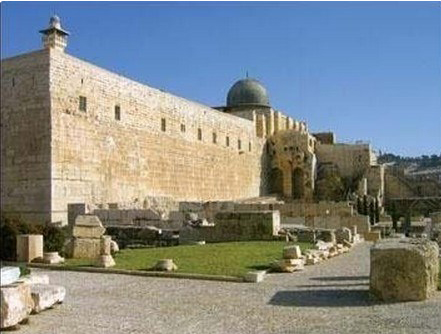
Certain locations around the world are believed to hold spiritual or supernatural energy, and the phenomenon known as the weeping wall stands as a powerful example. Visitors to such sites often report intense emotional reactions, unexplained physical sensations, and even auditory anomalies.
Some accounts describe walls that appear to emit moisture resembling tears, further deepening the mystery. Whether interpreted through religious belief or scientific curiosity, these experiences highlight humanity’s enduring connection to the unseen. The weeping wall remains a symbol of faith, mystery, and unexplained natural phenomena.
The Ancient Swastika: A Symbol Lost in Time
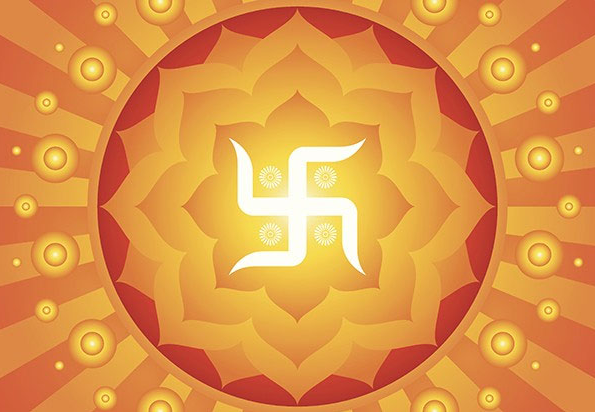
Long before its controversial association in modern history, the swastika was a revered symbol spanning over 12,000 years of human culture. Found in ancient artifacts across Asia, Europe, and beyond, it represented luck, prosperity, and cosmic harmony.
Its widespread presence suggests a shared understanding among early civilizations, possibly indicating cultural exchange or parallel evolution of symbolic thought. The transformation of its meaning in recent centuries adds another layer of complexity, making it one of the most misunderstood symbols in human history.
Conclusion: The Enduring Allure of the Unknown
These mysterious events in history remind us that despite technological advancement and scientific progress, there remain phenomena that elude explanation. They challenge our perception of reality and invite us to question the boundaries of knowledge.
As we continue to investigate these cases, we are not merely seeking answers—we are engaging with the very essence of curiosity. The unknown persists not as a limitation, but as an invitation to explore deeper, think broader, and embrace the mysteries that define the human experience.

Related Posts

AI Could “Change Things in a Terrifying Way”: A Deep Analysis of the Risks, Power, and Future of Artificial Intelligence
Why Can the Moon Be Considered a Planet? A Scientific Reassessment of Planetary Definition