The Rarest Precious Metals on the Planet
Understanding the True Value of Rare Precious Metals
We often associate wealth and rarity with gold and silver, yet these familiar metals are far from being the rarest on Earth. In reality, the most valuable and scarce precious metals are those that remain largely unknown to the public but are indispensable to modern industry. Their rarity, combined with exceptional physical properties and limited global supply, elevates their importance far beyond traditional perceptions of value.
Rare precious metals are not defined solely by their scarcity in the Earth’s crust. Instead, their worth is determined by a combination of geological rarity, complex extraction processes, and critical industrial applications. These metals are foundational to technologies that power our world—from aerospace engineering to clean energy solutions.
Rhodium: The Pinnacle of Rarity and Value
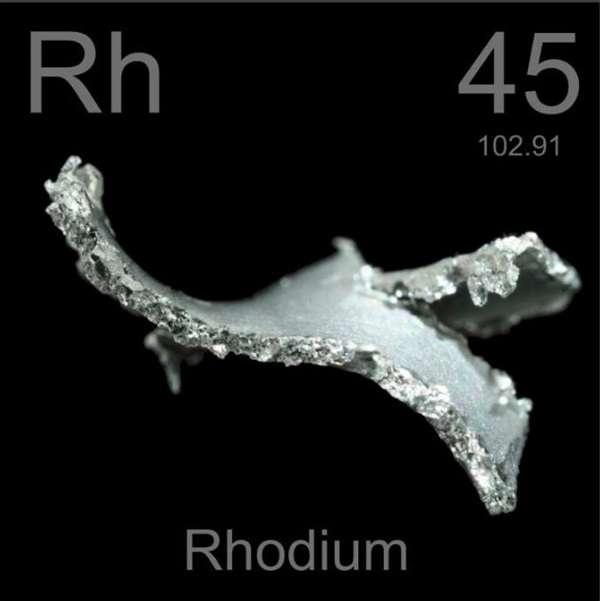
At the top of the hierarchy stands rhodium, widely regarded as the rarest precious metal on the planet. Its annual production is astonishingly limited, often representing only a fraction of global gold output. This scarcity alone would make it valuable, but rhodium’s exceptional resistance to corrosion and high reflectivity further amplify its demand.
We find rhodium primarily used in catalytic converters, where it plays a crucial role in reducing harmful vehicle emissions. Its unmatched efficiency in controlling nitrogen oxide emissions makes it irreplaceable in modern automotive manufacturing. As environmental regulations tighten worldwide, the demand for rhodium continues to surge, pushing its price to extraordinary heights.
Platinum and Palladium: Industrial Giants of the Modern Era

Closely following rhodium are platinum and palladium, two metals that have become essential pillars of the global industrial ecosystem. Both are heavily utilized in automotive catalytic systems, ensuring cleaner emissions and improved environmental performance.
Platinum stands out for its durability, non-reactive nature, and resistance to extreme temperatures. These properties make it invaluable in medical devices, chemical processing, and even hydrogen fuel technologies. Meanwhile, palladium possesses a unique ability to absorb hydrogen at extraordinary levels, making it a critical component in hydrogen storage and purification systems.
The limited geographic distribution of these metals—primarily concentrated in regions like South Africa—adds another layer of scarcity, reinforcing their global importance and price volatility.
Iridium, Osmium, and Ruthenium: The Hidden Titans
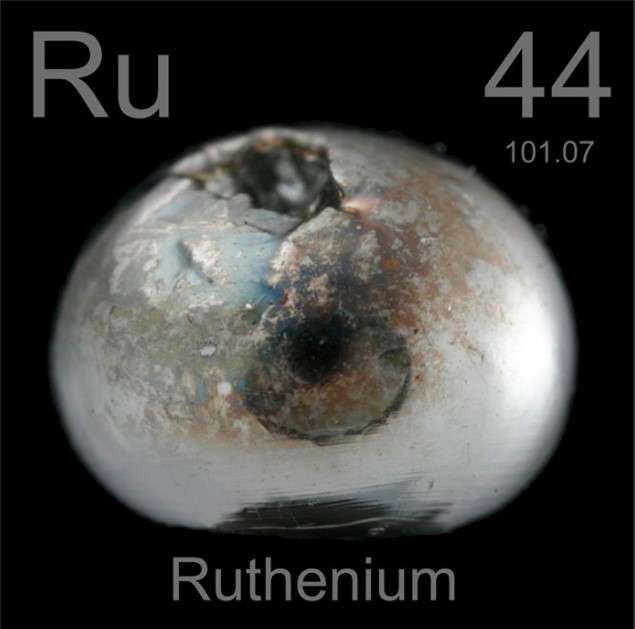
Beyond the more widely discussed metals lies a group of lesser-known yet equally remarkable elements: iridium, osmium, and ruthenium. These metals belong to the platinum group and are among the densest and most resilient substances known.
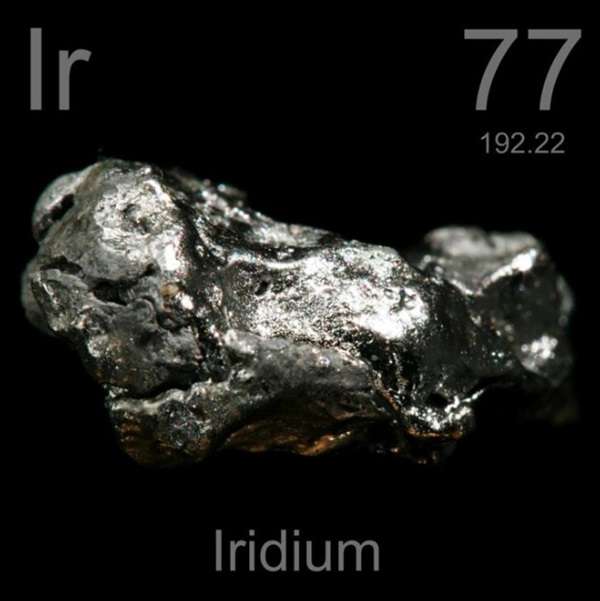
Iridium is renowned for its extreme resistance to heat and corrosion, making it ideal for high-performance equipment and aerospace components. Osmium, one of the densest elements on Earth, is valued for its hardness and durability, often used in specialized alloys and precision instruments. Ruthenium, though less famous, plays a vital role in electronics and electrical contacts, enhancing performance and longevity.
Their rarity is compounded by the fact that they are typically obtained as by-products of platinum and nickel mining, making their supply inherently constrained.
Rhenium and Indium: Critical Metals for Advanced Technology
In the realm of cutting-edge technology, rhenium and indium emerge as indispensable resources. Rhenium is one of the rarest elements in the Earth’s crust and is crucial for jet engines, rocket propulsion systems, and high-temperature superalloys. Its ability to maintain structural integrity under extreme conditions makes it vital for aerospace innovation.
Indium, on the other hand, is a cornerstone of modern electronics. It is widely used in the production of liquid crystal displays (LCDs), touchscreens, and semiconductors. Without indium, the digital devices that define our daily lives would not exist in their current form.
Gold and Silver: Familiar Yet Less Rare
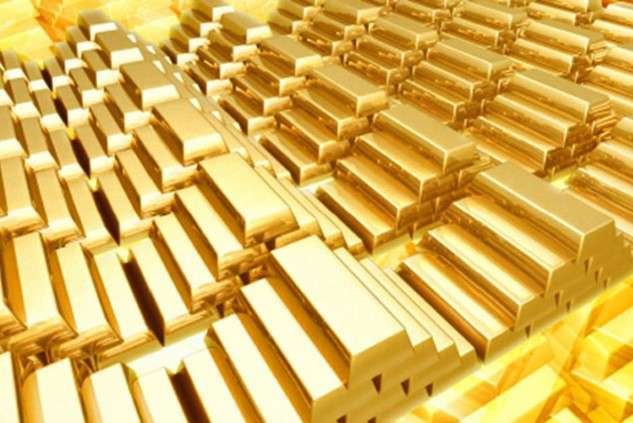
While gold and silver continue to dominate cultural and financial narratives, their abundance relative to other metals places them lower on the rarity scale. Nevertheless, their stability, conductivity, and aesthetic appeal ensure their enduring relevance.
Gold remains a symbol of wealth and a reliable store of value, while silver plays a crucial role in electronics, solar panels, and medical applications. Their accessibility, however, distinguishes them from the truly rare metals that underpin advanced industrial systems.
Global Supply Constraints and Market Dynamics
The rarity of these metals is intensified by geographical limitations and complex extraction processes. Many of the world’s rarest metals are concentrated in a handful of regions, creating supply bottlenecks and geopolitical dependencies.
Mining these elements is often a costly and technically demanding endeavor, requiring advanced technologies and significant investment. As global demand continues to rise—driven by innovation and environmental priorities—the pressure on supply chains grows, resulting in significant price fluctuations.
Conclusion: The Invisible Backbone of Modern Civilization
We recognize that the rarest precious metals on the planet are not merely symbols of wealth but are the foundation of technological progress. From reducing emissions to enabling advanced electronics and powering aerospace breakthroughs, these metals shape the future in ways that remain largely unseen.
Their rarity, combined with their indispensable role in modern industry, ensures that they will remain among the most valuable resources on Earth. Understanding their significance allows us to appreciate not only their economic value but also their profound impact on the world we continue to build.