Why Private Jets Fly Higher Than Commercial Airliners: The Full Explanation
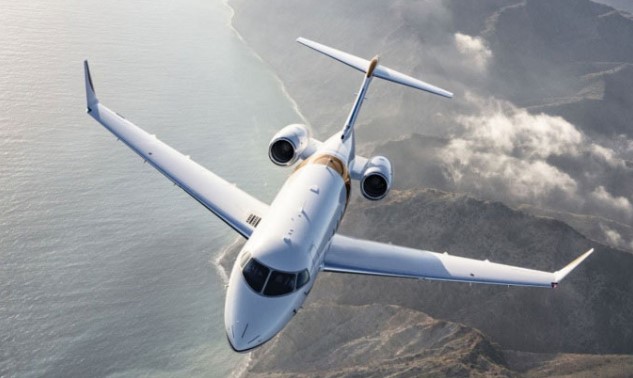
In the world of aviation, one of the most common questions enthusiasts and travelers ask is: Why do private jets fly higher than commercial airplanes? While it may seem like a small detail, the difference in cruising altitudes between private and commercial aircraft reveals important insights about aircraft design, performance, efficiency, comfort, and air traffic management. In this SEO-optimized article, we will dive deep into the science and strategy behind flight altitude, explain the key factors that influence it, and show why flying higher matters for private aviation.
What Does “Cruising Altitude” Mean in Aviation?
Cruising altitude refers to the steady flight level at which an aircraft travels for most of its journey after climbing from takeoff and before descending to land. It is measured in feet above mean sea level and is crucial for:
- Fuel efficiency
- Flight safety
- Comfort
- Air traffic separation
Different aircraft types have different optimal cruising altitudes based on their design and mission profile. For example, most commercial airliners cruise between 30,000 and 40,000 feet, while many private jets operate between 35,000 and 51,000 feet.
1. Aircraft Design and Performance: Why Private Jets Can Go Higher
Lighter Weight and Higher Power-to-Weight Ratio
One of the primary reasons private jets fly higher is their lighter weight and better power-to-weight ratio. Because private jets carry fewer passengers and less cargo, they can climb faster and maintain altitude more easily than larger commercial aircraft.
Commercial airliners, on the other hand, are built to carry many passengers and significant cargo loads, which increases their overall weight. The heavier a plane is, the more lift it needs to stay aloft, which in turn affects how high it can climb efficiently.
Engine Performance and Aerodynamics
Private jets are often equipped with high-performance engines optimized for climbing to higher altitudes quickly. Their aerodynamic designs—sleek fuselages and efficient wing profiles—reduce drag and allow for more efficient flight in thinner air.
At higher altitudes, the air is thinner, which reduces aerodynamic drag and allows engines to operate more efficiently. This means private jets can maintain higher true airspeeds with less fuel burn per mile traveled compared to flying at lower altitudes.
2. Less Congested Airspace Means More Efficient Flights
Another major advantage of flying at higher altitudes is the ability to avoid congested airspace.
Air Traffic Separation
Commercial aircraft often follow structured airways and predefined flight levels that are heavily trafficked. These corridors keep thousands of flights organized and safe, but they also create traffic at certain altitudes—typically around 35,000 feet.
Private jets, with more flexibility and smaller size, can often climb above these busy layers. Flying at altitudes above 40,000 feet allows them to:
- Avoid traffic congestion
- Take more direct routes
- Reduce delays caused by slower traffic ahead
This flexibility is especially valuable for business travelers and executives who prioritize time savings and efficiency.
3. Smoother and More Comfortable Flights
Weather and turbulence are significant factors that influence flight altitude.
Weather Avoidance
Weather systems—like thunderstorms and strong winds—are more common at lower altitudes. By flying higher, private jets can often avoid these disturbances entirely, resulting in smoother and more comfortable flights for passengers.
Reduced Turbulence
At higher altitudes, especially above 41,000 feet, the air tends to be more stable with fewer weather disturbances. This translates to a more pleasant experience for passengers who value comfort and productivity during flight.
4. Fuel Efficiency and Speed: The Physics Behind Higher Flight
Thinner Air = Less Drag
As altitude increases, air density decreases. While that might sound like a disadvantage, in aviation it means less aerodynamic drag. With less resistance, aircraft can maintain higher true airspeeds while consuming less fuel per mile.
This benefit is particularly important for private jets that often operate on longer range missions and need to maximize efficiency.
Faster Cruise Speeds
Because private jets encounter less drag and can optimize engine performance at higher altitudes, they often achieve higher cruise speeds compared to commercial jets flying lower. Faster cruise speeds mean shorter flight times—a major advantage for business travel.
5. Technical Limits: Service Ceiling vs. Practical Altitude
Every aircraft has a service ceiling, which is the maximum altitude it can sustain level flight. While commercial airliners have service ceilings that might technically exceed their normal cruising altitudes, they rarely operate at those heights for several reasons:
- Cabin pressurization limits
- Weight constraints
- Air traffic control restrictions
Private jets, with smaller cabins and lighter weight, can often pressurize more efficiently and maintain higher altitudes safely.
For example, some ultra-long-range private jets like the Gulfstream G650 can operate at altitudes up to 51,000 feet—significantly higher than typical commercial operations.
6. Air Traffic Control and Routing Flexibility
Flexible Altitude Assignment
Private jets often have more flexibility when it comes to altitude assignment from air traffic control (ATC). Because they operate outside the most crowded layers of the sky, controllers can assign higher altitudes without affecting the flow of commercial traffic.
This flexibility allows private flights to avoid slowdowns and route constraints that are common at lower flight levels.
Direct Routes and Time Savings
Flying higher often means that private jets can take more direct flight paths, reducing distance and time compared to commercial flights that must follow structured airways. For business travelers, this translates directly into productivity gains and reduced travel fatigue.
7. Safety and Emergency Considerations
While flying at higher altitudes offers many benefits, it also requires careful consideration of safety factors.
Cabin Pressurization
Maintaining cabin pressure at high altitudes is more challenging. However, private jets are designed with efficient pressurization systems that allow them to operate comfortably at altitudes that would be impractical for larger aircraft.
Emergency Descent Capability
At extreme altitudes, pilots must be prepared to descend quickly in case of depressurization. Private jets are equipped with systems and training to handle such scenarios, ensuring passenger safety remains paramount.
8. Summary: Key Reasons Private Jets Fly Higher
To recap, private jets fly higher than commercial aircraft for several interconnected reasons:
- Aircraft design and lighter weight allow higher climb and efficient cruise.
- Less congested airspace above commercial traffic provides operational flexibility.
- Smoother flights and weather avoidance enhance passenger comfort.
- Thinner air improves fuel efficiency and speed.
- Higher service ceilings and pressurization systems support safe high-altitude operations.
These factors combine to make high-altitude cruising a hallmark of private aviation—benefiting both performance and passenger experience.
Conclusion: What This Means for Travelers
Understanding why private jets fly higher gives valuable insight into how aviation technology and air traffic strategy work together to optimize flight. For passengers, especially those who fly frequently for business or luxury travel, the benefits of higher altitudes are clear:
- Faster, more efficient flights
- Less turbulence and smoother journeys
- Greater routing flexibility
- Enhanced comfort and productivity
Whether you’re an aviation enthusiast or a frequent traveler, recognizing the strategic advantages of higher flight levels helps explain why private jets continue to be the choice for those who value speed, comfort, and efficiency in the sky.

Related Posts

Deepfake Explained: What It Is, How It Works, and How to Detect Deepfake Videos
Why Loud Noises Can Damage Hearing — Understanding the Science, Risks, and How to Protect Your Ears